Why Do They Snap at Poetry Readings
I started frequenting a trendy poetry cafe in New York my freshman year of college. On the cusp of machismo, poetry had been a safe haven for me, a identify where I could escape when the noise in my head became as well loud.
Unlike other amusement venues I'd been to, the poetry cafe was filled with silence. There are no breaks in poetry the manner at that place are in one-act shows when the repeat of laughter lingers until the next line begins. The only aural reaction from the crowd comes from their thumbs and index fingers snapping in unison. Instead of laughter or clapping, the audience turns to snapping as a form of approval. When a powerful line erupts into thin air, at that place's a symphony of fingers pop-pop-popping to catch information technology from falling. The more snaps that fill the empty infinite, the more people are pursing their lips and nodding their heads. If snapping could speak it would chant, "I concur," or "I feel your pain."
Take you ever wondered why people snap their fingers, rather than handclapping their hands, in some situations?
This quiet signal of agreement is not new; the course of recognition spans back centuries agone. Historians debate where snapping originated or when it began replacing clapping in specific cultures. Some attribute the rhythmic motion to the Ancient Romans' theatrical performances. In improver to snapping, Romans would raise their handkerchiefs or flap their togas to show their appreciation. The subtle statement didn't disrupt performer's scenes and gave viewers enough time to evidence their amusement.
In the 1950s, beatnik poets — who fought against social conformity and the publishing manufacture — evolved in the NYC scene. Among these groups of poets were revolutionary figures like Allen Ginsberg and Gary Snyder, who performed in popular coffee store basements such as the renowned Gaslight Cafe. Dissonance complaints ultimately forced performers to first snapping instead of clapping.
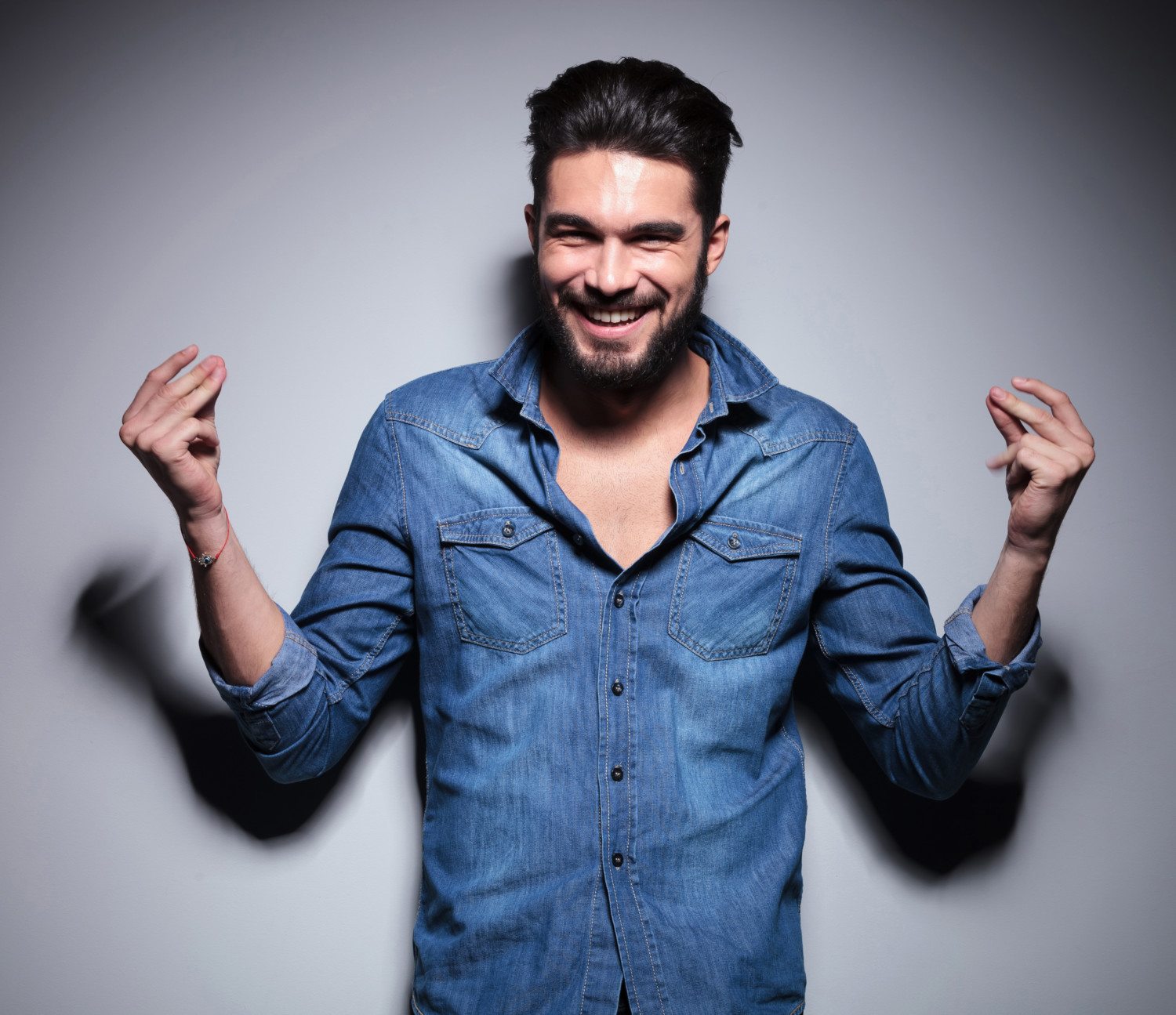
A hand movement equally simple as clicking 1's alphabetize finger and thumb together became a symbol of rebellion amongst countercultures. Could yous imagine that? The peaceful signal fit perfectly with the fourth dimension period, every bit the '60s were filled with non-violent protests. In lieu of the bedlam clapping emitted, they used this more than peaceful alternative to show their view on social problems.
From sorority houses to political conference meetings attendees would, you guessed information technology, snap the night abroad. If y'all're a college student now, you may have seen this tradition work its way onto campuses.
1 university men'due south glee club says at that place's a very applied reason for snapping at its performances — you tin can't clap and hold a beer at the same fourth dimension.
In the movie, Hidden Figures, that same response was used to describe why the crowd snaps every bit Jim Parsons mentions a mathematician's accomplishment during his speech. Some say, he was holding a newspaper at the fourth dimension and simply did not take both hands free to show his appreciation via clapping.
Today, some accept compared snapping to liking a post on Facebook or retweeting a tweet. In the modernistic era, it also helps solve another technological problem.
"You can't applaud while taking a selfie or texting," Daniel Gallant, the executive director of Nuyorican Poets Cafe, told the New York Times.
In other activist circles, like political groups formed at Chocolate-brown or Yale university, college students accept started snapping at rallies or protests. In 2015, Yale students used this powerful tool to gain attention from a school official about his stance on offensive halloween costumes. Students are seen snapping in unison in a video of the protest that went viral.
Students are too snapping in discussion-based classes on higher campuses, says Ilan Stavans, a professor at Amherst College.
"I've made an effort to study the finger-snapping behavior, and I've reached an early on conclusion: Finger-snapping is done delicately, respectfully, democratically, always in the centre of an result, whereas hand-clapping, which is by definition louder and more disruptive, is invariably reserved for the cease," he wrote in the Chronicle of Higher Educational activity.
Snapping, it appears, information technology less confusing than clapping. The same is true in elementary and center schools, where snapping helps keeps students at-home and relatively quiet.
"If y'all're sitting in an assembly with 400 children, and they can snap instead of going, 'Me, too! Same here!' it's a lot easier to keep gild," Grace Lindsey, a sixth-course science instructor, told the New York Times.
Source: https://www.simplemost.com/why-people-are-snapping-instead-of-clapping/
0 Response to "Why Do They Snap at Poetry Readings"
Post a Comment